
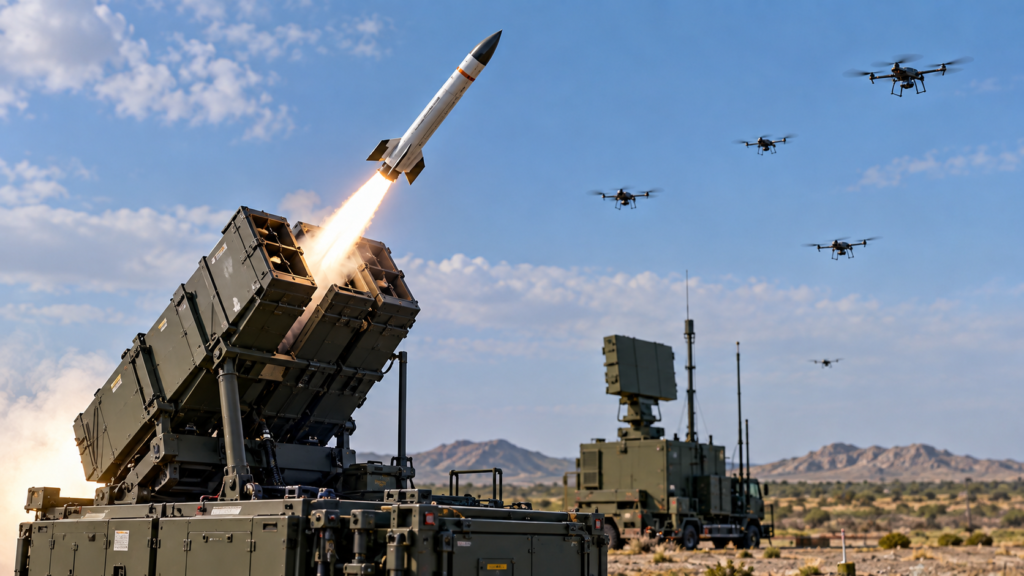
Indian defence technology company IG Defence is moving its JWALA interceptor closer to system-level testing after successfully firing two indigenous solid rocket motors, according to reporting published on October 5. The company is developing JWALA as a short-range hard-kill counter-unmanned aircraft system (C-UAS) intended to defeat hostile drones.
The propulsion milestone does not mean the complete interceptor has completed flight testing. IG Defence is now preparing to integrate the missile’s major subsystems before its first experimental system-level trial. That distinction is important as JWALA remains a development programme rather than an operationally proven missile.
JWALA moves from propulsion testing toward system trials
According to ETDatacenters, IG Defence successfully test-fired two solid rocket motors as part of the JWALA programme. The company said the test is a step toward integrating the propulsion system with the interceptor’s other components and eventually conducting an experimental flight trial.
IG Defence describes JWALA MK1 as a short-range surface-to-air missile designed primarily for air defence against UAVs. Its published specifications list an engagement range of 2 to 5 kilometres and an engagement altitude from 50 metres to 5,000 metres. Those figures are manufacturer-stated design specifications and should not be treated as independently demonstrated combat performance.
What the JWALA counter-drone missile is designed to do
The core idea behind JWALA is a relatively compact kinetic interceptor that can provide a hard-kill layer against drones. Unlike electronic counter-UAS systems that attempt to disrupt a drone’s communications or navigation, a hard-kill interceptor physically engages the aerial target.
IG Defence lists a dual-pulse solid rocket motor with fin control, a pre-fragmented high-explosive warhead with a proximity fuze, and a truck-mounted multi-canister launcher among the system’s planned characteristics. The company also states a target reaction time of less than seven seconds from target detection to missile launch.
These specifications describe the system’s intended architecture. The upcoming system-level and flight trials will be more important for establishing whether the complete interceptor can meet those design objectives under realistic test conditions.

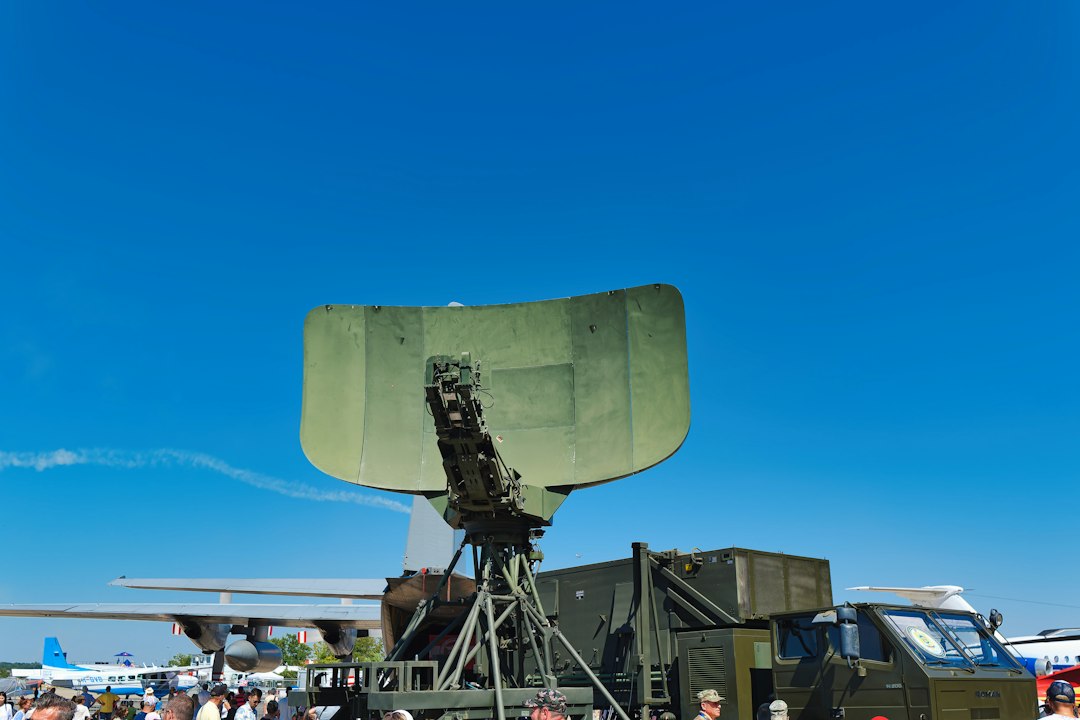
Illustrative image of military air-defence equipment. Photo: Gabriel Vasiliu / Unsplash.
Why affordable hard-kill systems matter against drones
The economics of counter-drone warfare are becoming an important part of air-defence planning. Small UAVs can be comparatively inexpensive, while traditional air-defence interceptors can be considerably more costly. That creates pressure for defensive systems that can be fielded in useful numbers without relying exclusively on expensive missiles.
JWALA is being positioned around that requirement. IG Defence says the interceptor is intended to be scalable and affordable, with the company developing it as part of a broader counter-UAS architecture. Whether it achieves a favourable cost exchange ratio will ultimately depend on production costs, reliability, hit probability and operational testing.
JWALA is being linked to IG Defence’s GRID architecture
JWALA is not being developed in isolation. IG Defence says it will form the hard-kill component of its GRID Defend battle-management architecture, which is designed to connect sensors, command systems and effectors.
The company’s architecture is intended to combine information from multiple sensors, build a common operational picture, track aerial threats and coordinate an authorised response. In that concept, JWALA provides the physical interceptor while GRID provides the mission-management layer.
This approach reflects a broader shift in counter-drone systems toward layered architectures rather than standalone devices. India’s military has also been examining mobile counter-UAS capabilities, including the M-LIDS system demonstrated during Yudh Abhyas 2026. DroneUnzip’s earlier report on M-LIDS provides context on how mobile counter-drone systems are being evaluated alongside wider battlefield networks.
From T-SHUL to JWALA: a layered counter-UAS approach
JWALA also fits into IG Defence’s wider counter-UAS portfolio. The company lists T-SHUL systems as soft-kill electronic warfare solutions designed to disrupt UAV command, telemetry and navigation links. Its T-SHUL BEAM system, for example, is described as a portable directional RF jammer.
That creates a layered model in which electronic warfare can provide a soft-kill response while a kinetic interceptor can provide another option when disruption alone is insufficient. The value of such a combination depends on the sensors, command network and rules governing which response is selected for a particular threat.
What comes next for the JWALA programme
The next major milestone will be the integration of the complete interceptor and its first experimental system-level flight trial. Successful propulsion testing establishes an important component of the programme, but it does not by itself validate the missile’s guidance, seeker, warhead, proximity fuze, launcher integration or end-to-end interception performance.
For India’s growing counter-drone ecosystem, the significance of JWALA will therefore depend on what happens during those later trials. If the system can demonstrate reliable detection-to-engagement performance and achieve its intended cost and production objectives, it could add another indigenous hard-kill layer to India’s evolving C-UAS architecture.