

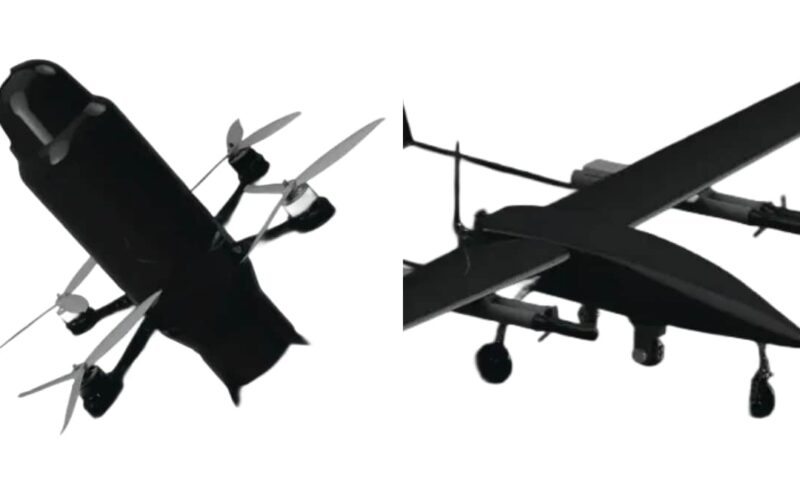
India’s Flying Wedge Defence & Aerospace (FWDA) has announced a partnership with Portugal’s Keydef to manufacture two Indian-developed autonomous systems in Europe, extending an effort to take homegrown defence technology into international supply chains.
The agreement covers the Kaal Bhairava autonomous unmanned combat aircraft and YAMA, a drone interceptor designed for counter-unmanned aircraft missions. Keydef is the defence and aerospace division of Portugal-based Sketchpixel.
What the agreement covers
According to reporting by The Week, the partnership envisages manufacturing the systems in Portugal for international markets. The report also describes a planned investment and collaboration involving electronic components and artificial-intelligence development, alongside an intention to pursue NATO-related certification for systems produced in Portugal.
Those details describe the announced plan, not proof that a production line is already operating or that certification has been secured. The companies’ next milestones will be important in judging how quickly the arrangement moves from agreement to deliverable hardware.
Why manufacturing location matters
For an Indian defence-technology developer, working with a European manufacturing partner may offer access to regional industrial capabilities and customers who prefer procurement through local supply chains. It can also create a path to scale production without relying exclusively on domestic manufacturing capacity.
The model is not automatically a commercial success. Export approvals, end-user requirements, certification, production quality, intellectual-property arrangements and confirmed orders will determine whether the partnership turns into sustained business.
What to watch next
- Evidence that manufacturing facilities and production schedules are in place.
- Progress on the certifications and export approvals relevant to target markets.
- Confirmed customer orders, deliveries or funded procurement programmes.
- Clarity on how intellectual property, component sourcing and engineering responsibilities are divided.
For India’s wider drone industry, the development is worth watching as a potential example of Indian-developed autonomous systems entering overseas manufacturing networks. For now, the confirmed milestone is the announced partnership; production scale and market traction remain to be established.
Sources
Editorial note: This article reports the announced agreement and distinguishes planned manufacturing and certification from completed milestones.
