Peter Karanja

Peter is a seasoned drone technology expert specializing in UAV applications. He offers insights into industry trends, innovations, and the impact of drones in agriculture, public safety, telecommunications, and conservation, providing guides, reviews, and news for enthusiasts and professionals.
61 Posts
Royal Navy Tests Torpedo Launch from Uncrewed Submarine XV Excalibur

Royal Navy Tests Torpedo Launch from Uncrewed Submarine XV Excalibur

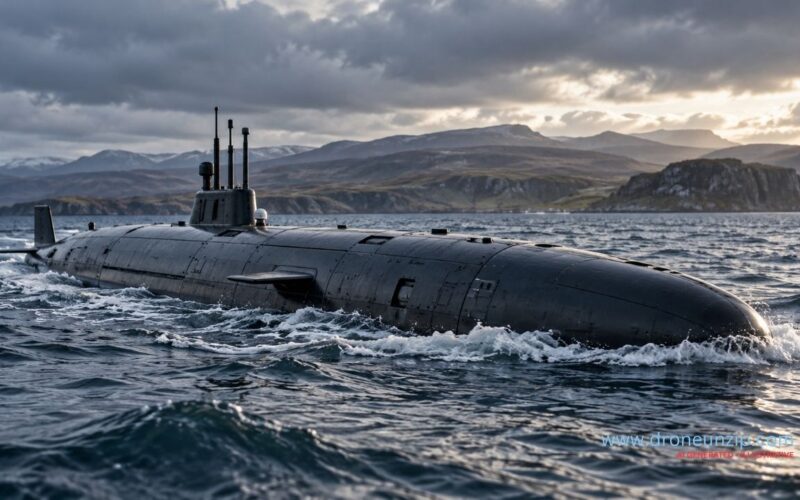
The Royal Navy’s experimental uncrewed underwater vessel XV Excalibur has successfully launched a US Navy Mk 48 heavyweight torpedo during a trial in Scotland, the Royal Navy announced on 30 September 2026. The test was conducted at the British Underwater Test and Evaluation Centre (BUTEC) near Kyle of Lochalsh as…
Read More
Indian Navy Receives First Two EyeROV TROUT Underwater ROV Systems

Indian Navy Receives First Two EyeROV TROUT Underwater ROV Systems

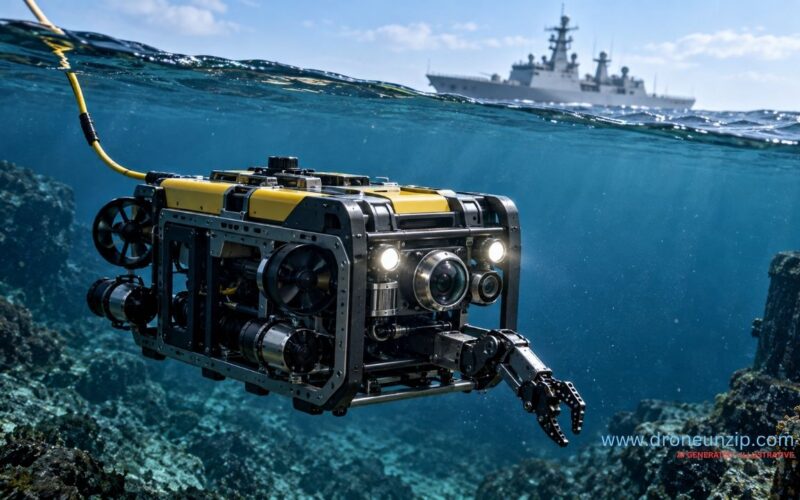
Kochi-based marine robotics company EyeROV has delivered two TROUT military-grade remotely operated underwater vehicle (ROV) systems to the Indian Navy, according to reporting published on 7 October 2026. The delivery is part of a five-system order and advances an indigenous underwater robotics programme developed through the iDEX defence innovation ecosystem.…
Read More
Best Places to Fly Drones in India: Scenic Locations, Rules and Restrictions

Best Places to Fly Drones in India: Scenic Locations, Rules and Restrictions

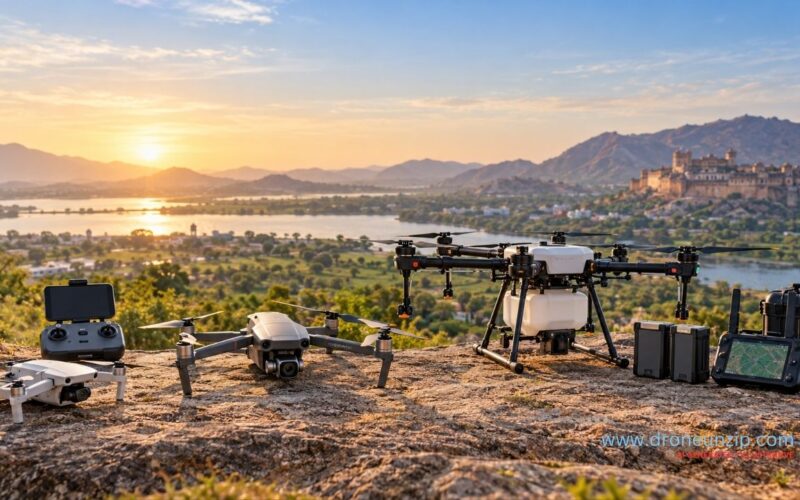
India offers an extraordinary range of landscapes for drone photography, from Himalayan valleys and tea-covered hills to coastlines, salt deserts and river islands. For drone enthusiasts and travel creators, these places offer opportunities to capture perspectives that are difficult to achieve from the ground. However, finding the best places to…
Read More
FWD Supreme: India’s AI-Piloted Combat Aircraft Prototype Unveiled

FWD Supreme: India’s AI-Piloted Combat Aircraft Prototype Unveiled

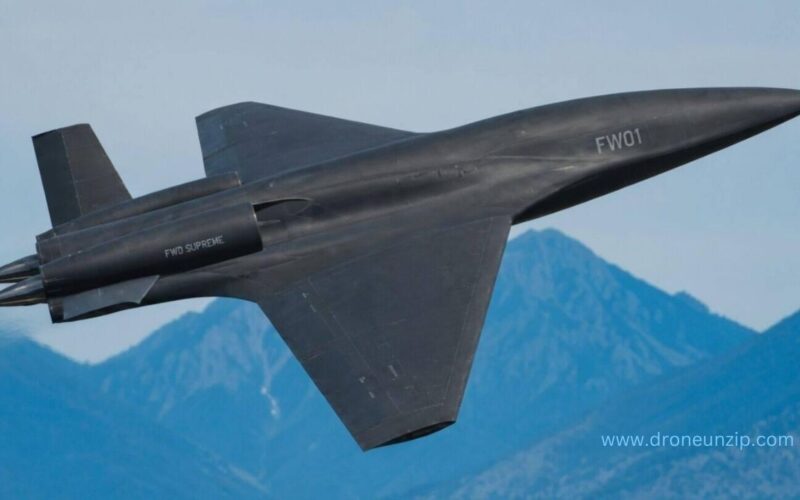
Flying Wedge Defence & Aerospace (FWDA), a Bengaluru-based defence technology company, unveiled a full-scale static prototype of its FWD Supreme AI-piloted combat aircraft in New Delhi on 13 October 2026. The display marks a visible development milestone for the company’s autonomous-aircraft programme, but it does not demonstrate that the aircraft…
Read More
Nagastra-1: Inside India’s Indigenous Loitering Munition Programme

Nagastra-1: Inside India’s Indigenous Loitering Munition Programme

India’s Nagastra-1 is an important milestone in the country’s effort to field locally developed precision-strike systems. Developed by Economic Explosives Limited (EEL), part of Solar Industries India, the man-portable loitering munition was ordered by the Indian Army under emergency procurement powers. The programme has also moved into a follow-on phase…
Read More
Ghatak UCAV vs GJ-11 vs X-47B: How the Three Flying Wings Compare

Ghatak UCAV vs GJ-11 vs X-47B: How the Three Flying Wings Compare

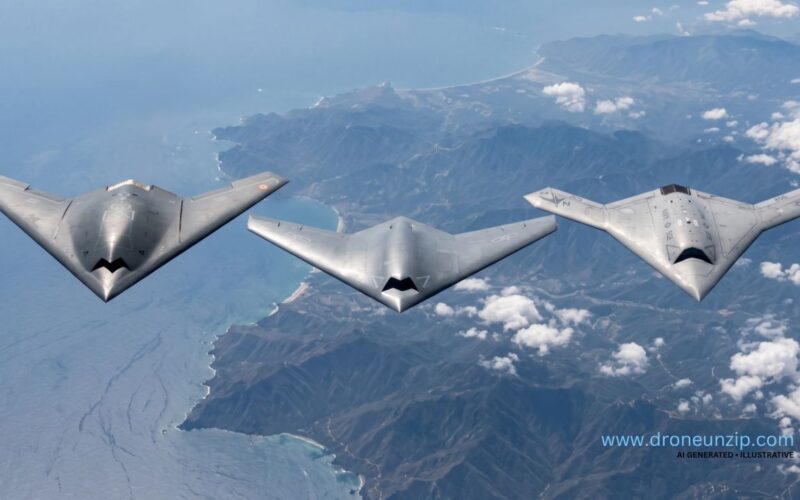
India's Ghatak unmanned combat aerial vehicle (UCAV), China's GJ-11 stealth attack drone and America's X-47B are often grouped together because they use tailless flying-wing layouts. That visual similarity can be useful, but it does not make the aircraft equivalent. Their publicly documented programme stages, intended roles and demonstrated milestones differ…
Read More
Ghatak UCAV Development Timeline: Latest Programme Status

Ghatak UCAV Development Timeline: Latest Programme Status

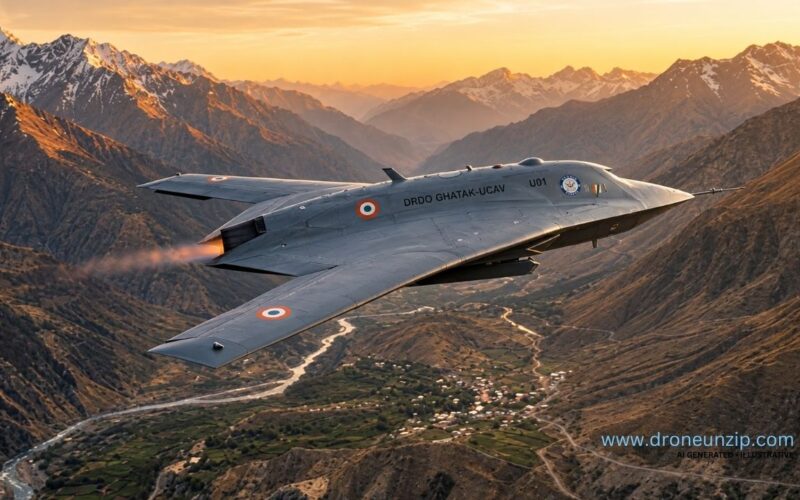
India's Ghatak unmanned combat aerial vehicle (UCAV) programme is moving through a long development path that combines flying-wing research, autonomous flight testing, propulsion work and defence acquisition planning. The key to understanding its progress is to separate what has been demonstrated, what the government has formally approved, and what remains…
Read More
Ghatak UCAV Design: How the Flying Wing Supports Stealth

Ghatak UCAV Design: How the Flying Wing Supports Stealth

India’s Ghatak unmanned combat aerial vehicle (UCAV) is being developed around a tailless flying-wing configuration intended to support low-observable flight. The shape is more than a visual signature: it affects how the aircraft generates lift, how flight control is managed, and how designers balance radar signature, internal volume and aerodynamic…
Read More